Jim Lets AI Rewrite His Worst Offer… and Accidentally Creates a Money-Printing Monster
“Jim” is allowing us to share this case study on the condition that we do not reveal his identity.
Every marketer has one—the offer they don’t talk about, the one buried in a folder labeled “old stuff,” “test ideas,” or “do not open unless emotionally prepared.” It’s the offer that made perfect sense in their head, looked fine on the page, and then went out into the world and did absolutely nothing.
This case study is about one of those offers—and the marketer behind it. We’ll call him Jim.
Jim had a product with a solid idea, a forgettable name, and copy that sounded like it was written by someone who had just discovered marketing books and was trying very hard to sound responsible. He launched it, waited patiently, refreshed his dashboard, refreshed it again, and then accepted the quiet truth.
Nothing happened. No sales. No angry emails. Not even a sympathy purchase from a friend who felt bad.
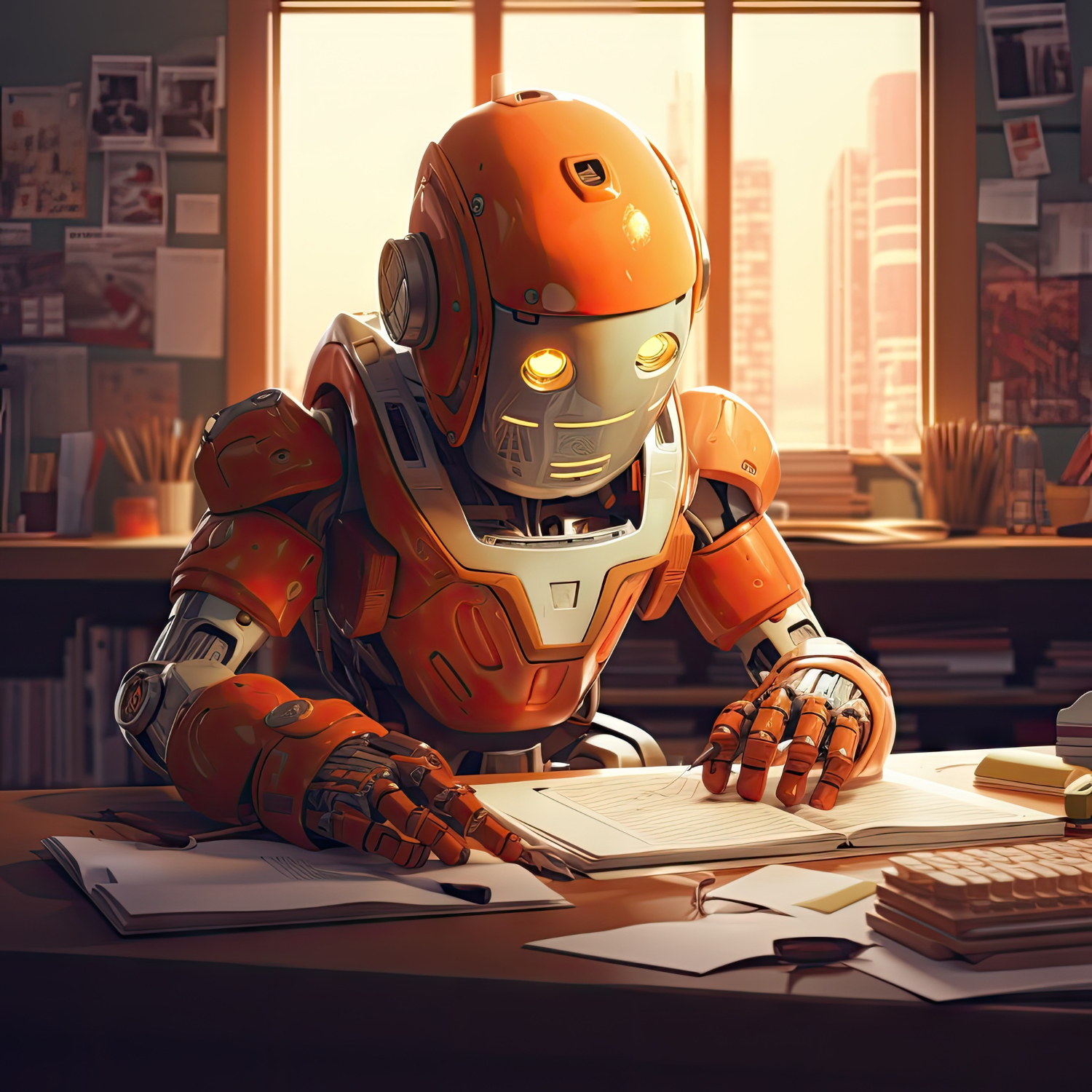
So Jim did what many modern marketers do in a moment of quiet despair: he gave it to AI. Not gently. Not politely. More like, “Here is my worst offer. Roast it. Rewrite it. Save it if you can.”
AI did not hesitate. First it pointed out what wasn’t working, then it rewrote everything. The name became dramatic. The promise became bold. The copy stopped explaining and started pulling. The headlines stopped sounding responsible and started sounding dangerous—in a good way.
The strange part? Nothing about the product changed. Same content. Same delivery. Same price. Just a completely different personality.
Jim laughed. He was entertained. He was mostly sure it still wouldn’t work. But he launched it again anyway.
And then something weird happened.
People started buying—strangers, without questions, without hesitation, without Jim having to warm them up with twelve emails and a motivational speech. One sale came in at 2:04 a.m. Another arrived before he had finished staring at the first one. Then more. Then more.
The offer didn’t just sell. It behaved like a monster.
What actually changed was not the product. AI didn’t add features, didn’t make it smarter, didn’t turn it into something new. It simply removed politeness. Jim’s original version tried to be reasonable. AI made it irresistible. Jim had explained. AI provoked. Jim had described. AI promised. Jim had been afraid to sound bold. AI had no fear and no reputation to protect.
The problem wasn’t the product. It was the courage of the positioning.
That courage showed up in three ways. First, the copy stopped talking about features and started talking about outcomes. The old version focused on what the product was. The new version focused on who the buyer would become. Second, the language became emotional—not dramatic for no reason, but human: frustration, desire, relief, curiosity. Third, everything became simpler. The old version explained like a nervous teacher. The new version talked like a confident friend who knows exactly what you want and isn’t afraid to say it.
The most uncomfortable discovery for Jim was this: the AI version sounded more like the real him than the original did. The first version had been filtered through fear—fear of being too bold, fear of sounding salesy, fear of being judged, fear of being wrong. AI doesn’t have fear, so it said what Jim was thinking but wouldn’t type. Buyers felt that difference immediately.
They didn’t buy because it was written by AI. They bought because it finally sounded honest.
You can run the same experiment. Take your worst offer—not your favorite, not your newest, but the one you quietly avoid. Paste everything into AI and give it dangerous instructions: rewrite this to be emotionally irresistible, make it bold and unforgettable, turn polite into persuasive, make people feel something.
Read what comes back. You’ll probably cringe. You’ll probably think, “That’s too much.” Before you tone it down, ask yourself: is it too much—or just more honest than I’m used to being?
Edit it so it still sounds like you, but keep the courage, the clarity, and the emotion. Then relaunch it.
Worst case, it still doesn’t sell and you’ve lost nothing. Best case, you accidentally create a money-printing monster—just like Jim did, without changing the product at all.
 vvv
vvv vvv
vvv vvv
vvv vvv
vvv